
Longevity Isn’t a Hack: How Daily Support Builds Health That Lasts
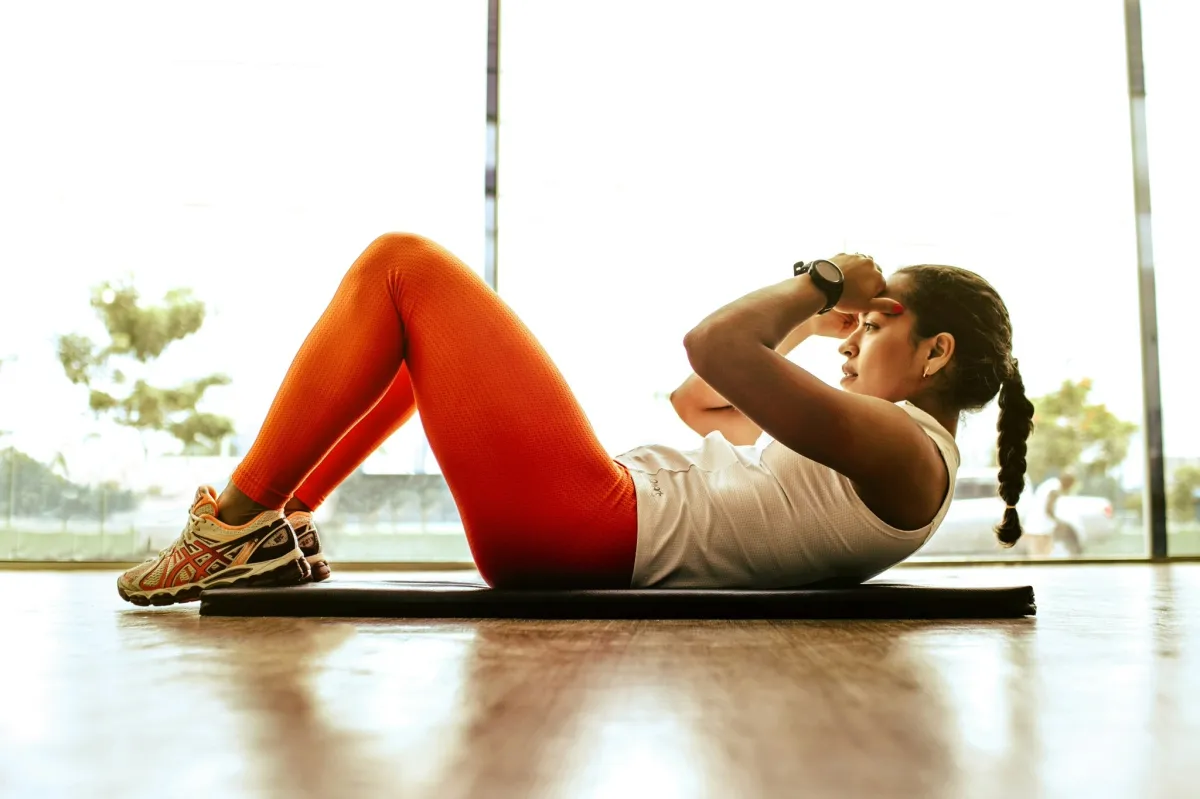
Longevity has become a buzzword — often packaged as a shortcut, a supplement stack, or a rigid protocol promising fast results.
But real longevity doesn’t come from hacks.
It’s built quietly, over time, through the small, consistent ways you support your body every day.
Longevity Is About Capacity, Not Perfection
Longevity isn’t about eliminating every symptom or never feeling discomfort.
It’s about building a body that has the capacity to adapt, recover, and stay resilient as life changes.
That capacity allows you to:
Move without constant pain or fear
Recover more easily from stress
Maintain energy and strength over time
Feel supported instead of depleted
Quick fixes may offer temporary relief, but they don’t usually build this underlying resilience. And without resilience, symptoms tend to return.
Why Quick Fixes Don’t Last
Most quick fixes focus on silencing symptoms rather than supporting systems.
They’re designed to:
Quiet discomfort as fast as possible
Override signals instead of interpreting them
Treat the body as something to control
While this can feel helpful in the short term, it often leaves the foundation unchanged. When the underlying systems aren’t supported, the body finds another way to communicate.
Longevity requires a different approach — one that listens first.
The Foundations That Actually Support Longevity
Long-term health isn’t built through extremes. It’s built through daily support, especially in these areas:
Movement
Movement should support your life, not exhaust it.
Strength, mobility, and stability are most sustainable when movement is appropriate, repeatable, and aligned with your body’s needs.
Nourishment
Longevity isn’t about eating perfectly — it’s about eating in a way that consistently supports digestion, energy, and recovery.
Rest and Recovery
The body repairs, adapts, and regulates during rest. Without enough recovery, even the “right” habits can become stressors.
Rhythm and Environment
Light exposure, daily routines, and nervous system regulation all influence how the body functions over time. Longevity is shaped as much by how you live as by what you do.
When these foundations are supported consistently, the body often becomes more resilient with less effort.
Listening Changes Everything
One of the biggest shifts in building longevity is learning to listen to the body instead of fighting it.
Symptoms aren’t failures.
They’re feedback.
Fatigue, stiffness, digestive changes, or discomfort often point to areas that need more support — not more force.
When you respond to those signals thoughtfully, the body tends to regulate more easily. And over time, this creates health that feels stable instead of fragile.
Longevity Is Built Daily
Longevity isn’t one big decision or a single program.
It’s built through the daily practices you return to again and again.
The way you move.
The way you nourish yourself.
The way you rest.
The way you respond to your body’s signals.
This is the long game — and it’s the one that lasts.
Long-term vitality doesn’t come from doing more.
It comes from supporting the body consistently.
If you’re interested in learning how to build these foundations in a practical, sustainable way, this approach is explored more deeply inside the Longevity Blueprint, where the focus is on daily support rather than extremes.
LONGEVITY HABITS, HEALTHY AGING, BUILD RESILIENCE, SUSTAINABLE HEALTH, DAILY HEALTH PRACTICES, LONG-TERM VITALITY
Longevity Isn’t a Hack: How Daily Support Builds Health That Lasts
Longevity isn’t built through hacks or quick fixes. Learn how daily movement, nourishment, rest, and rhythm create lasting health and resilience.
Read more
SNACKS, WELLNESS, NUTRITION, BLOOD SUGAR
Most Valuable Snack Coordinator: Why Smart Snacks Save Your Sanity (and your arm)
A warm, humorous H2-style guide to being your own Most Valuable Snack Coordinator!
Read more
PERIMENOPAUSE, WORKOUT, NUTRITION, SLEEP
Navigating Perimenopause: Small shifts for big changes
Strong Body : Steady Glow
Read more
WELLNESS
Sleep Like a Pro: Why Your Bed is Actually Your Best Friend
Hello there! H2 here. Today I'd like to start a conversation on one of the most important things in our lives that gets over looked. Sleep! So, I'm going to cut...
Read more
WELLNESS
Meditation Made Simple: Small Steps to a Calmer Mind
Meditation can feel daunting at first. The idea of sitting in silence— no phone, no iPad, no TV, or music...
Read more




All Rights Reserved | Copyright H2 Personal Fitness 2026 | Powered by Lead Better HQ