Tired but Wired? Why You Can't Switch Off at Night (and What Actually Helps)
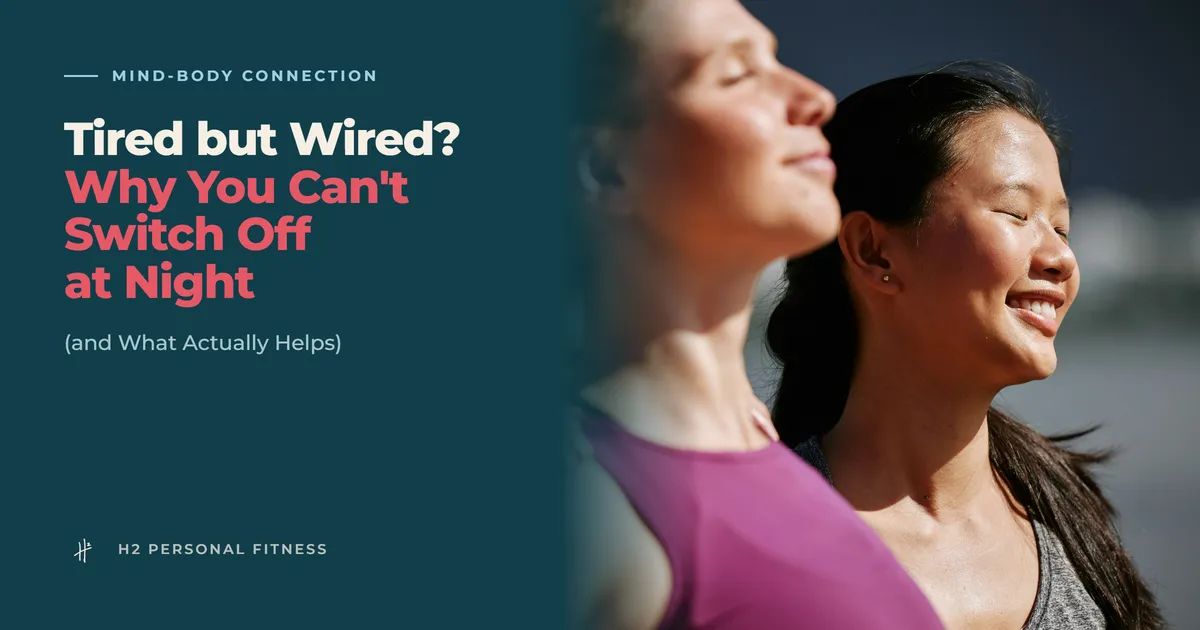
You drag yourself through the afternoon. You're yawning at your desk, running on coffee, counting the hours until bed.
And then you finally lie down… and your brain turns on.
The to-do list. That conversation from earlier. The thing you forgot. Suddenly it's midnight and you're wide awake, staring at the ceiling, wondering how you can be this exhausted and this awake at the same time.
If that's you, you're not alone. "Tired but wired" is one of the most common things I hear from women in their 40s, 50s, and beyond.
What "Tired but Wired" Really Means
Your body has two basic modes. One is go mode: alert, busy, ready to handle whatever comes next. The other is rest mode: slower, softer, safe enough to recover.
Most of us spend our days stuck in go mode. Back-to-back responsibilities.
Caring for kids, parents, partners, clients. Rushing from one thing to the next.
Add in the hormonal shifts of perimenopause and menopause, and many women find their bodies have a harder time downshifting at the end of the day.
So when bedtime comes, your body is still braced for action. It doesn't know it's allowed to rest.
The good news? You can teach it. Not by forcing sleep, but by giving your body signals all day long that it's safe to slow down.
It Starts Long Before Bedtime
Here's something that surprises a lot of my clients: a better night usually starts in the morning.
Give yourself a gentle start. If the very first thing you do is grab your phone and scroll through emails and news, your day starts in go mode before your feet hit the floor. Try a few quiet minutes first. Coffee on the porch. A stretch. A few slow breaths.
Watch the afternoon caffeine. That 3pm latte might be getting you through the slump, but it can still be in your system at bedtime. Try moving your last cup earlier in the day and see how you feel.
Fuel yourself during the day. Running on empty can leave your body feeling stressed and edgy by evening. Regular meals with protein help keep your energy steadier, so you're not crashing and then revving back up.
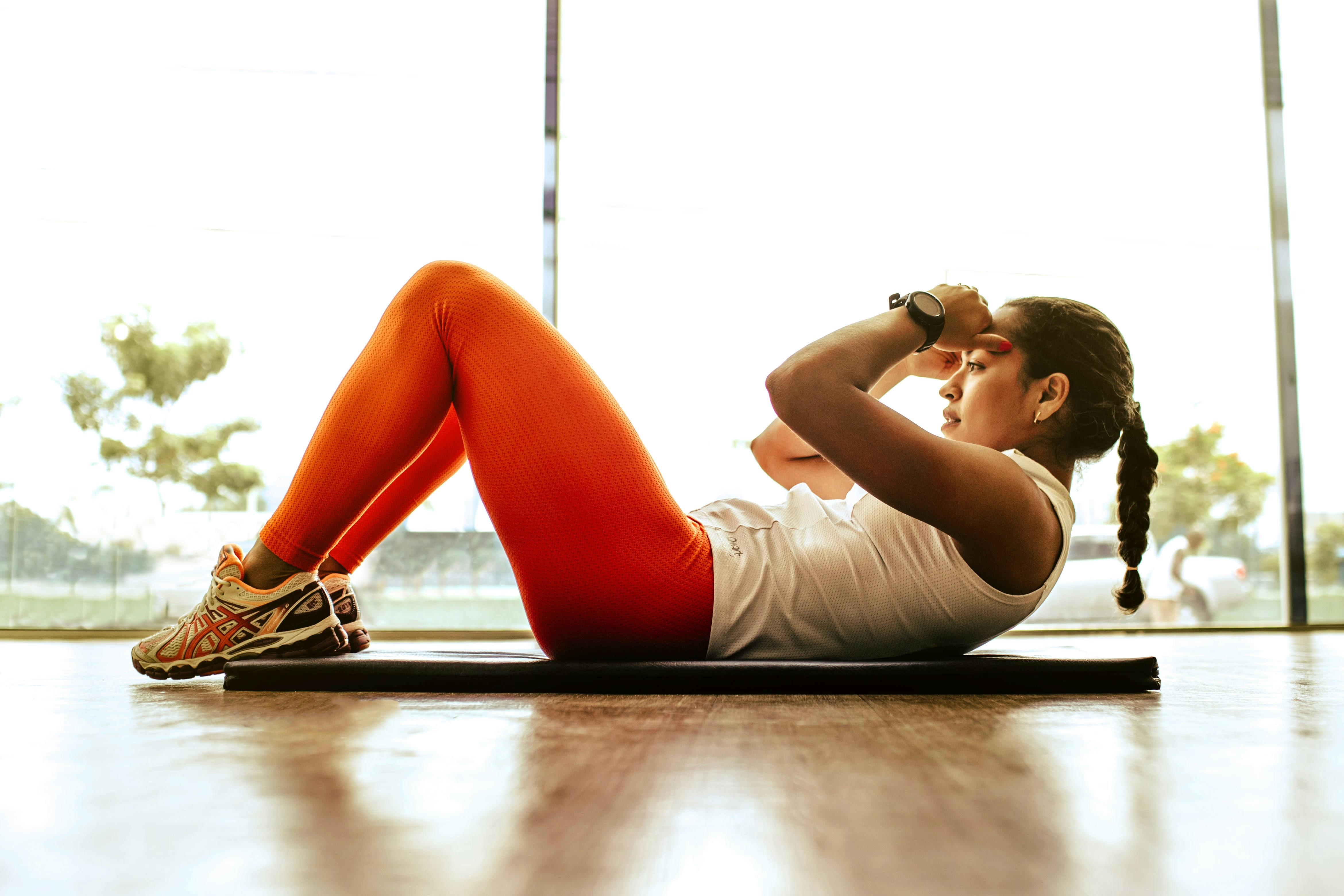
Move your body. A daily walk, a strength session, or a gentle yoga flow helps your body use up that restless energy in a healthy way. Just try to keep intense workouts earlier in the day if you notice they leave you buzzing at night.
Gentle Ways to Downshift in the Evening
Create a "closing time" for your day. Pick a time each evening when work, email, and planning are done. Put the laptop away. Let your brain know the day is officially over.
Get it out of your head. If your mind races the second your head hits the pillow, keep a notebook by your bed. Jot down whatever's swirling around. It'll still be there in the morning, and you don't have to hold it all night.
Try a simple body scan. Lying in bed, slowly bring your attention from your toes all the way up to the top of your head. Notice where you're holding tension (jaw, shoulders, and belly are common spots) and invite each area to soften. No pressure to "do it right." Just notice.
Make your bedroom a calm space. Cool, dark, and quiet. If hot flashes wake you up, try lighter layers and bedding you can easily kick off.
Be kind to yourself on the hard nights. If you can't sleep, try not to panic about it. Getting frustrated keeps you in go mode. Get up for a few minutes, do something quiet in low light, and return to bed when you feel sleepy.
When to Check In With Your Doctor
Everyone has a rough night now and then. But if sleep problems are ongoing, affecting your daily life, or you have symptoms like loud snoring or waking up gasping for air, please talk with your healthcare provider. You deserve real support.
You Deserve to Feel Rested
Here's what I want you to remember: you're not broken, and you're not failing. Your body has been working hard to keep you going. It just needs a little help remembering how to rest.
Nervous system recovery is one of the four pillars of Steady & Glow LIVE, my 6-week live coaching experience for women in perimenopause and menopause.
You'll get a toolkit of more than 10 practical tools to help you feel calmer and steadier, plus live yoga and meditation sessions with me every week.
We start together on Tuesday, January 5th, and spots are limited.
👉 Learn more and reserve your spot in Steady & Glow LIVE
Rest isn't something you have to earn. It's something you're allowed to have.
With heart,
Heather
LONGEVITY HABITS, HEALTHY AGING, BUILD RESILIENCE, SUSTAINABLE HEALTH, DAILY HEALTH PRACTICES, LONG-TERM VITALITY
Longevity Isn’t a Hack: How Daily Support Builds Health That Lasts
Longevity isn’t built through hacks or quick fixes. Learn how daily movement, nourishment, rest, and rhythm create lasting health and resilience.
Read more
SNACKS, WELLNESS, NUTRITION, BLOOD SUGAR
Most Valuable Snack Coordinator: Why Smart Snacks Save Your Sanity (and your arm)
A warm, humorous H2-style guide to being your own Most Valuable Snack Coordinator!
Read more
PERIMENOPAUSE, WORKOUT, NUTRITION, SLEEP
Navigating Perimenopause: Small shifts for big changes
Strong Body : Steady Glow
Read more
WELLNESS
Sleep Like a Pro: Why Your Bed is Actually Your Best Friend
Hello there! H2 here. Today I'd like to start a conversation on one of the most important things in our lives that gets over looked. Sleep! So, I'm going to cut...
Read more
WELLNESS
Meditation Made Simple: Small Steps to a Calmer Mind
Meditation can feel daunting at first. The idea of sitting in silence— no phone, no iPad, no TV, or music...
Read more




All Rights Reserved | Copyright H2 Personal Fitness 2026 | Powered by Lead Better HQ